
Contingent Business Interruption (CBI)
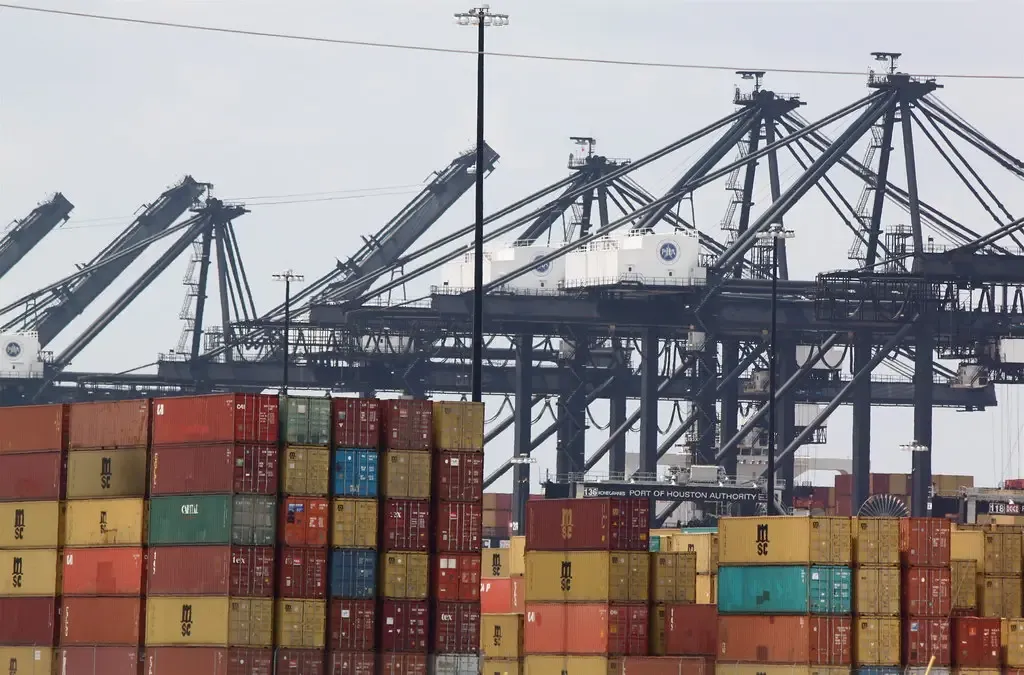
Contingent business interruption (CBI) covers income loss when an insured peril at a specified or demonstrable third-party location disrupts the policyholder’s trading, even if the policyholder’s own premises are undamaged.
CBI matters require supplier and customer dependency analysis, trigger verification at third-party premises, and loss causation narratives that withstand concurrent cause attacks. Named schedules differ materially from unnamed extensions in evidentiary burden.
Experts integrate procurement, ERP, and contract data to quantify downstream revenue impacts and any premium freight or substitute supply costs.
| Phase | Analytical focus | Deliverable |
|---|---|---|
| Dependency map | Contracts, ERP, bills of materials | Named/unnamed coverage matrix |
| Trigger | Third-party insured peril evidence | Claims adjuster / incident pack |
| Causation | Isolate incremental loss vs macro shocks | Attribution memorandum |
| Quantum | Margin by SKU or service line | Daubert-ready workbook |
Frequently asked questions
What is contingent business interruption (CBI)?
CBI covers income loss when an insured peril at a specified or demonstrable third-party location disrupts the policyholder’s trading, even if the policyholder’s own premises are undamaged.
What is the difference between named and unnamed CBI?
Named extensions list specific suppliers or customers; unnamed extensions require broader proof of dependency and trigger. Evidentiary burden and coverage limits differ materially by wording.
How do experts prove third-party causation?
They map contracts, ERP, and bills of materials to incremental margin loss, isolate macro demand shocks, and align third-party incident evidence with the policyholder’s shortfall timeline.
Need a business interruption expert witness?
Share the dispute and the timetable, and we will look for a credentialed specialist for loss quantification, policy interpretation and Daubert-compliant reporting.