
Federal Rule of Evidence 702 Expert Reports & Joint Statements
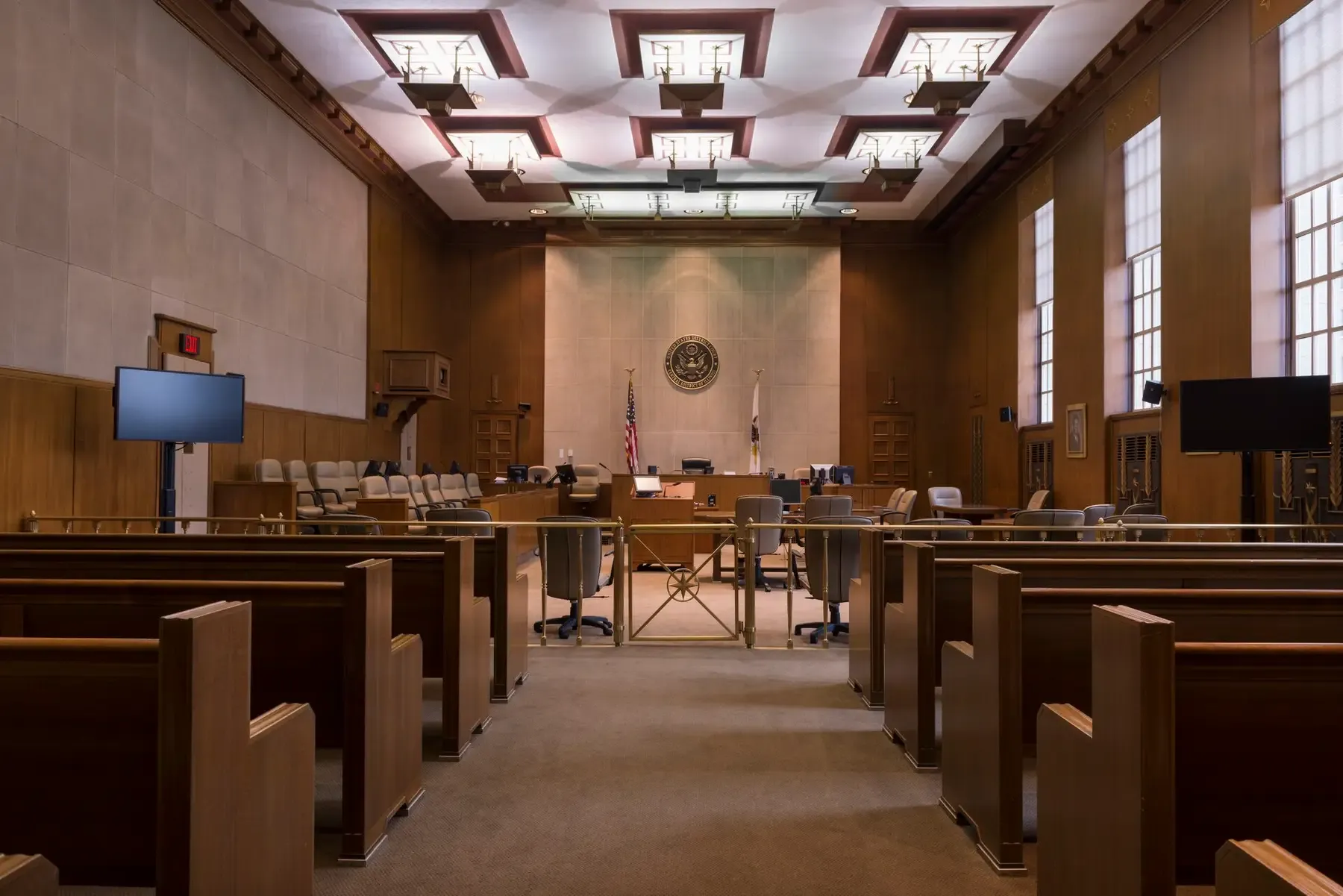
Experts instructed in federal and state courts litigation owe paramount duties to the court under Federal Rule of Evidence 702 and Daubert. Reports must identify instructions, materials reviewed, key assumptions, and limitations - with fair exposition where reasonable experts disagree.
Joint meetings and joint statements isolate areas of agreement and disagreement on methodology, datasets, and quantum ranges, narrowing trial issues efficiently.
| Report element | Why it matters | Common pitfall |
|---|---|---|
| Instructions scope | Defines the question answered | Over-broad remit |
| Data lineage | Reproducible spreadsheets | Black-box models |
| Alternative assumptions | Daubert-compliant range disclosure | False precision |
| Joint statement | Agreed facts vs opinions | Late surprises at trial |
Frequently asked questions
What are a BI expert's duties under Federal Rule of Evidence 702?
The expert’s paramount duty is to the court. They must provide objective opinions, disclose material facts even if adverse, and acknowledge reasonable ranges where experts disagree - per Federal Rule of Evidence 702 and Daubert principles.
What should a Daubert-compliant BI report include?
Clear instructions, materials reviewed, qualifications, policy definitions used, business income margin and extra expense workings, period of restoration boundaries, assumptions, limitations, and fair exposition of alternative reasonable views.
What is a court-appointed expert in a BI dispute?
A court may appoint one expert jointly instructed by both parties. For significant contested quantum, parties usually retain separate experts and produce a joint statement identifying agreement and disagreement.
Need a business interruption expert witness?
Share the dispute and the timetable, and we will look for a credentialed specialist for loss quantification, policy interpretation and Daubert-compliant reporting.